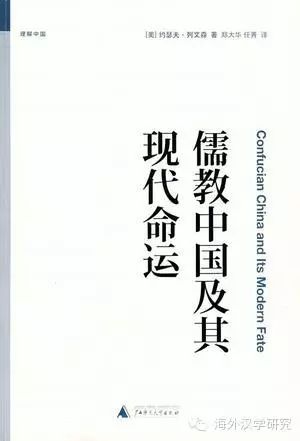
[美] 约瑟夫·列文森著
郑大华 任菁译
广西师范大学出版社2009年5月第一版
【按:郑译本尚有大量错误,文中未及列出,条列如下】
第6页:将清初的思想家们的经验论与其对唯心主义的科学批评结合起来考察,就会发现它们本身既不科学,也非必然导致科学的产生。
原文:The empirical attitudes of these early Ch’ing thinkers, while in harmony with the scientific critique of idealism, are neither scientific themselves nor necessarily conducive to the birth of science
错把in harmony with译成“结合”,应译作:【清初思想家的经验主义态度,尽管与科学对唯心主义的批判相合,本身却既不是科学的,也不一定有助于科学的诞生】
第7页:但在培根(还有笛卡尔)看来,使人们成为自然科学家的不是他们关于自然界的知识,而是他们向自然界提问的能力;知识只有通过回答问题才能获得,所以要获得知识,首先必须有一个合适的能在正确的法则下追问的问题
原文:But according to Bacon (and also, Descartes), what makes a natural scientist is not his knowledge of facts about nature but his ability to ask questions about nature; knowledge comes only by answering questions, and these must be the right questions, asked in the right order
不是“向自然界提问”,而是“提有关自然的问题”,最后一句应译作:【知识只能通过回答问题来获得,这些问题必须是正确的问题,以正确的方式提出】。
第10-11页:现代中国的许多历史学家力图找到一个令人信服的现代科学的中国根源。他们的努力似乎是徒劳的,因为这种根源根本就不存在
后半句原文:their efforts seem, paradoxically, a subjective response to the fact that none exists
应译作:【具有悖论意味的是,他们的努力似乎是对这些根源并不存在这一事实的主观性的反应】
第21页:直觉的滥用
原文:The Routinization of Intuition
应译作:【直觉的常规化】
第27页:曾使斯威夫特黯然失色的阿诺德说过
原文:Matthew Arnold, who took form Swift, the Ming scholar-gentleman manqué, his definition of culture as ‘sweetness and light’, said
take from应该译作“借用”,哪里有“黯然失色”的意思?
第34页:我们已经看到近代早期的中国官绅阶级是如何致力于复兴晚明和清初之绘画风格的。
原文:We have seen how the amateur commitment of the literati-official class in early-modern China brought Chinese painting to its late Ming, early Ch’ing condition.
原文并无“复兴”之意,应译作:【我们已经看到早期现代的文人绅士阶层对业余性的热衷是如何把中国绘画带到明末清初的状态的】。
第35页:只有当近代西方的冲击动摇了那些像定出税率一样定出艺术风格的绅士-官僚-文人的地位时,也只有在这时,‘非职业化’观念才会不知不觉地为‘专业化’观念所取代
原文:Only when the modern West impinged on China and undermined the position of the gentry-literati-officials, who had set the styles in art and expression as they set the rates in taxes and rents—only then did the concept of ‘amateur’ slide into its modern sense of something less than ‘specialist’
不是“非职业化”(amateur)被“专业化”(specialist)取代,而是“业余”的观念获得了那种表示“不那么‘专业’”的现代意义
第44页:对普遍价值判断的‘中国式’扭曲
原文:The encroachment of ‘China’ on general judgment of value
应译作:【在普遍价值判断上对“中国”的侵犯】
第45页:我们很容易就可以看出,这种折衷主义是如何迁就中国传统主义者之愿望的。这些传统主义者无论贴上何种标签,都坚决反对使他们忧虑的西方对手的立场
原文:It is easy to see how such eclecticism would indulge the will of Chinese traditionalists, of whatever stamp, to hold their own against western rivals who raise the specter of doubt among them all
Indulge被译作“迁就”,原文应译作:【我们很容易看出,这种折衷主义将如何纵容中国传统主义者(无论他们贴上什么样的标签)去坚持他们反对在他们中间引发疑义的西方对手的立场】
第51页:独断主义
原文:positivistic
应译作“实证主义”
原文:the philosophical attenuation of the t’i-yung concept
应译作:【体用概念哲学意义的弱化】
第63页:如果中国人一味追求‘有根据的儒学’,那么中国的改革就永远不会取得进步
原文:if they only went back to their authentic Confucianism, which had long and sadly been under eclipse
authentic是“本真”“真正”的意思,不是“有根据”,原文应译作:【如果中国人只是回到‘真正的’儒学,这种儒学长久以来处于可悲的黯淡无光的状态中】
第68页:康有为建构了中西之间平行的历史,“由于它没有涉及中国历史的尊严问题,所以既不用在思想上顽固不化,也不用公开地屈服于欧洲,中国就能够不失体面地发展到现代”
原文:Neither intellectually stubborn, out of concern for the dignity of Chinese history, nor flatly submissive to Europe, China could grow into modern times with self-respect
out of concern for不是“没有涉及”,而是“出于对……的考虑”,原文应译作:【这样中国既没有出于对中国历史之尊严的考虑而在思想上冥顽不化,也没有完全臣服于欧洲,于是就能够不失体面地发展到现代】
第68页:这似乎表明孔子允许中国接受新的思想。但是新的思想如此之多,并对稳定的儒家社会有如此明显的颠覆作用,所以对现代人来说,接受新思想要得到儒教的允许,这无疑是一件可笑的事情
原文:Confucius, it seemed, had licensed China to listen to new ideas. But the new ideas weres so many, and so clearly subversive of the stable Confucian society, that it soon was merely fanciful for moderns to claim the Confucian imprimatur
原文并没有“接受新思想要得到儒教的允许”之意,imprimatur(批准、认可、同意)对应前文的license,应译作:【这似乎表明孔子允许中国接受新的思想。但是新的思想如此之多,并对稳定的儒家社会有如此明显的颠覆作用,因而现代人宣称孔子认可接受新思想很快就仅仅成了一种幻象】
第70页:康有为与曾国藩不同,无意在中西之间制造精神和物质的区分,更倾向于认为两者共享同样的价值,不同的文明和平共处。“随着中西之间的外战停止,中国内部不同思想派别重新爆发论战则成为必需”
原文:With peace abroad, a battle at home was possible. And for a semblance of peace abroad, a battle at home was necessary
译文把两个逻辑上递进的句子揉在一起,一面加上原文没有的“不同思想派别”等,一面又漏译了semblance一词,应译作:【外部平静了,内战就有可能爆发。而为了造成外部平静的表象,内战就成为必需】
第71页:古文经学的批评者
原文:Ku-wen critics
译文不妥,易引起误解,以为指的是批评古文经学的人,原文意思就是“古文经学家”
第75页:他(按:章炳麟)说,古代经学在民国时代走向死亡是不断加剧的社会腐败的重要原因
原文:The modern chin-wen scholarship, he said, though dying itself in the republican era, had been the fatal source of a still increasing corruption
应译作:【他说,现代今文学虽然在民国时期正在死去,但却是仍在不断加剧的社会腐败的致命原因】
第78-79页:如果不根据中国革命的民族主义标准来衡量,那么,章炳麟对早就依据中国文化建立起了如同一个汉族王朝那样一套制度的满清王朝的攻击,就不是对中国传统的维护,相反是对它的否定
原文:Chang’s racist attack on the Ch’ing dynasty of Manchus, who had long ago made the grade as a Chinese dynasty by the tradition cultural, if not the revolutionary national criterion of Chinese-ness, was no vindication of the Chinese past, but repudiation
把插入语提前,造成全文意思扭曲,应翻译成:【章炳麟对依照传统文化早就算是够格的中国王朝的满清王朝的种族主义的攻击,如果不算革命党人对中国之为中国提出的民族上的标准,那么也不是对中国过去的维护,而是否定】
第87-88页:人们一定注意到了上面所引述的那一段民族主义者的文字所使用的是模棱两可的语言
原文:One must note the anonymity in that Kummingtang pronouncement
anonymity不是“模棱两可”的意思,Kummingtang译作“民族主义者”也很奇怪,原文应应译作:【人们一定注意到了那段国民党的声明中的匿名性】
第94页:谈论一种文化的现代转换“只具有这样一种含义,即虽然这种文化的过去成就辉煌无比,但新的一代人发现这些成就并不能指导自己的行为,并且作为生活在这种环境中的传统主义者,越来越意识到他们对传统价值的赞美已日益失去其说服力”
原文:It means only that a new generation finds it impossible to govern action by its own precedents, though the precedents may be honoured, and that as traditionalists, in these circumstances, become more self-conscious, their commendations of past values seems ever less convincing
这里的as不是介词而是连词,in these circumstances是“在这种情况下”的意思,而不是“生活在这种环境中”,后半句应译作:【而且在这种情况下,随着传统主义者变得更加自觉,他们对过去的赞美似乎越发没有说服力了】
第95页:‘物质’与‘精神’:‘体用’模式的两极
原文:‘Matter’ and ‘Spirit’: the Ti-Yung Rationalization in Extremis
应译作:【“物质”与“精神”:危机状态下体用模式的理性化】。in Extremis是“危机状态”的意思。
第95页:如此一种普遍的综合(按:指孙中山的‘三民主义’)增加了独特的中国之声誉。而这种声誉,曾经在普遍性中丧失殆尽
原文:So the universal synthesis redounds to the credit of an individual China, which ostensibly had lost itself in that very universal
which指的不是“声誉”而是“中国”,后半句应译作:【而中国显然正是在这种综合中丧失了自我】
第96页:与富有侵略性、诱惑性的西方——他们还认为西方提供一种唯物主义——保持平等的地位,这是一项十分紧迫的任务,因为这种地位可以增加中国精神的可信程度,中国不仅与西方平等,而且还在西方之上
原文:It was a particular urge for balance with the intrusive, seductive West, described by them as materialist, which impelled conviction (quasi-culturalist, or universal) about Chinese spirit—not conviction which led to balance
句子结构完全没弄对,conviction不是“可信程度”,是某种“信念”,“在西方之上”云云也是译者的捏造,应译作:【正是一种寻求与富于侵略性、诱惑性且被他们称之为物质主义的西方相抗衡的冲动,推动了关于中国精神的(准文化主义或普遍性的)信念,而不是这种信念导致了与西方的抗衡】
第102页:因为尽管躁动不安的中国人走向了西化的道路,但他们仍然感觉不到拥有充足之地的迫切性
原文:because restless Chinese, for all their turning to western ways, still felt a compulsion to own the ground they stood on
完全译反了。明明是still felt,怎么就“感觉不到”呢?应译作:【尽管不安的中国人转而走向西方的道路,但他们仍然感到必须要有他们自己的立足之地】
第102页:儒教必须打倒。但是,如果基督教被挑选出来作为儒家的西方历史时,就不会产生痛苦的感觉了。
原文:Confucianism must go. But if Christianity, expendable Christianity, is singled out as its western analogue, then Chinese history need not suffer in comparison with western
基督教怎么作为“儒家的西方历史”?expendable Christianity也没译出来,原文应译作:【儒教必须打倒。但是如果基督教,可以牺牲掉的基督教,被挑选出来充当儒教的西方对应物,那么中国历史在与西方历史进行比较时就不必感到难堪了】
第106页:民族主义的社会强制:对传统的贡献与否认
原文:the social compulsion on nationalism, both to contribute to and deny the sterility of tradition
应译作:【民族主义面对的社会压力:既要对传统的贫瘠否有责任,又要否定传统的贫瘠】。
第108页:传统的惰性与创造力
原文:the charge of sterility against creative efforts in the traditional spirit
应译作:【对传统精神中阻碍创造力的惰性的指控】译文漏掉了很多单词,意思大相径庭
第115页:这种对‘中国精神’的关注,难道不应被解释为一种情感的表现,而仅是一种吸引没有思想的人民大众的策略吗?
原文:Should such concern for the ‘Chinese spirit’ be explained not as a kind of emotional manifestation but simply as a tactic to lure the people, the less-advanced thinkers?
也译反了,应译作:【这种对“中国精神”的关切,是不是应该被解释为并非情感的表达,而只是一种吸引思想不够发达的人民大众的策略?】
第116页:因此,中国共产党的理论,从本质上看,并不否认对传统承认与否是件无关紧要的事
原文:Chinese communist theory, then, is not something to which, intrinsically, the claims of tradition are extraneous
译反了,应译作:【因此,中国共产党的理论,从本质上看,并不是与承认传统与否无关紧要的事】
第122页:与中国传统的疏离则是与中国社会的不安定分不开的。在思想史上,一种消除疏离所产生的不适的革命努力,是通过革命以渡过社会动乱、达到社会安定的努力之必然结果。
原文:Alienation from Chinese tradition is inseparable from restlessness in Chinese society; and a revolutionary effort to cure the malaise which alienation engenders is the inescapable counterpart, in intellectual history, of the effort, by revolution, to pass through social restlessness to a social equilibrium.
“inescapable counterpart”是中国革命在思想史中的“必然对应物”,而不是什么“必然结果”,分号后应译作,“治疗这种疏离所导致的痼疾的革命性的努力,是通过革命来渡过社会动荡达到社会安定的努力,在思想史中的必然对应物。”
第123页:西方列强与中国革命:文化变革中的政治变革
原文:Western Powers and Chinese Revolutions: the Political Side of Culture-change
应译作:【西方列强与中国革命:文化变革的政治面向】
第134页:共产主义对中国知识分子的召唤
原文:communism’s appeal to the racked Chinese intellectual
漏掉了“racked”(受折磨的)一词
第137页:那种认为不应将中国共产主义看成是一种被驯化地纳进传统的中国特殊性之中的外国教义(当然不能看成是一种未被驯化而被成功摧毁了的外国教义),而应看成是一种具有同样精神而其名称和外表不同的儒教的观点,在许多方面似乎都存在着勉强性
原文:Some compulsions seems to exist in many quarters to see Chinese communism not, indeed, as a foreign creed tamed down to traditional Chinese specifications (and certainly not as a foreign creed untamed and successfully destructive), but as Confucianism with another name and another skin but the same perennial spirit
compulsions是“冲动”而不是“勉强性”,原文应译作:【在许多地方都存在着这样一些冲动,即并不把中国共产主义看作一种被传统中国的特殊性驯化的外国信条(当然更不是一种未经驯化而成功地保留其毁灭性的外国信条),而是看作改头换面的具有同样持久不变的精神的儒教。】
第138页:转换了的和被抛弃了的儒家传统直接导致了反映中国思想变革之结果的共产主义变体的产生,但它不是通过放弃自我保存——即使自己的后嗣者在其本地上处于被剥夺的非正统地位——并由此将共产主义理论作为对现实需要的一种回答而推荐给人们的方法来实现这一点的
原文:The Confucian tradition, transformed and abandoned, has led directly to the communist version of Chinese change of mind, not by preserving itself immanent in communist doctrine, but by failing in self-preservation, leaving its heirs bereft and potentially strange in their land, and thus commending that latest doctrine as an answer to a need
明明是by failing in self-preservation,怎么就“不是通过放弃自我保存”了?应译作:【被转化和被放弃的儒家传统,直接导致了中国思想变革的共产主义形态,但它不是通过把自己内在地保存到共产主义教义之中来做到这一点的,而是通过放弃自我保存,让自己的继承者处于被剥夺的地位,让他们在自己的土地上成为潜在的陌生人,由此把那最新的共产主义教条称赞为应时之需的答案来做到这一点的。】
原文:The Draining of the Monarchical Mystique
应译作:【君主制神秘性的丧失】
第145页:他们或者走现代化的新路,这是一条有前途的道路,它至少能富强国家,加强他们的统治能力,并因此而能延长清王朝的寿命,但它会导致民族主义的兴起
原文:They might go down as moderns, aspiring, at least, to strengthen China, strengthen their hold, and thereby extend their title to the traditional mandate, but running afoul of the nationalism which modern, foreign strengthening methods entailed
running afoul of the nationalism是与民族主义发生冲突,不是“导致民族主义的兴起”,应译作:【他们(按:清朝统治者)可以作为雄心勃勃的现代人走下去,至少可以使中国变得富强,加强他们的统治,并由此延长他们传统的天命,但是却会与现代的、由外国的富强之术引发的民族主义发生冲突】
第147页:民初:儒教与王权的合流与交织
原文:the republic: Confucianism and monarchism narrowed and interwoven
Narrow被译作“合流”,原文应译作:【民国:儒教与君主制思想的窄化和交织】
第150页:正如把君主制的没落说成违背了‘民意’(它反映的是‘天意’)而不是与它相符合一样,没落的儒学也把‘民意’作为它新的辩护理由
原文:And just as vestigial monarchy derived, allegedly, from the people’s will, instead of simply according with it while reflecting Heaven’s, so vestigial Confucianism took the people’s will as its novel justification
derive被译作“违背”,原文应译作:【正如残余的君主制据说来源于民意,而不是在反映了天意的同时自然顺应了民意,残余的儒教也把民意当作它新的正当化理由】
第165页:实际上,20世纪初共和国建立后,满族人很快就与汉族融合了。这一事实表明,是清王朝使满族人保持了活力,而不是满族人使清王朝保持了活力
原文:Indeed, as the almost immediate dissolution of the Manchu people in twentieth-century Republican China would show, the Manchus were kept away afloat by the Ch’ing dynasty, not the dynasty by the Manchus
kept away afloat被译作“保持了活力”,原文后半句应译作:【清王朝使得满族人处于游离状态,而不是满族人使得清王朝处于游离状态】
第166-167页:不是少数民族王朝应该达到最低限度的所期望的那种文化上的一致,相反,与儒家文人对于一般统治者所抱的最大期望,并勉强地承认其统治相比,少数民族王朝不应实践比这更像的文化上的一致
原文:It was not that foreign dynasties should meet some minimum of expected cultural conformity; it was rather that foreign dynasties should practice no more non-conformity than a maximum expected of rulers in general and grudgingly allowed them
应译作:【不是异族王朝应该满足人们所期望的最低限度的文化一致性,而是说与人们一般情况下所期望的和勉强容忍的最大限度相比,异族王朝不应表现出更多的不一致。】
第171页:儒家也打上一些贵族的烙印,他们重视自己的利益,并开始公然地评论起君主的控制来
原文:Confucianist took on some aristocratic colour, conceived of themselves as ends in themselves, and set out to prise open the imperial clutch
prise open是“撬开”的意思,不是“公然地评论”,最后一句应译作:【准备撬开君主的铁腕统治】
第183页:实际上,宋朝后期就开始通过用家庭限制家族和用家族限制家庭这种自相矛盾的方法来削弱潜在的私有权力。对此,儒家在感情上是能够接受的。
原文:In effect, the post-Sung state moved ambivalently to break down potential private power, by checking the clan with family and family with clan. And Confucian sentiments could be marshaled for both these operations.
末句应译作:【而儒家的情感也能够在这两种实践中得到安排】
第186-187页:尽管科举制度是儒家文明的一个显著标志,是儒家取得显赫的社会地位的必要前提条件,但它仍然是一种儒家道德,这种道德在围绕科举考试的各种方式中表现自己
原文:For all the fact that the examination system was a distinguishing mark of Confucian civilization, a sine qua non for Confucianists’ social prominence, it was still a Confucian morality that expressed itself in various modes of circumventing the state examinations
circumventing the state examinations不是“围绕科举考试”,而是回避科举考试,最后一句应译作:【儒家道德仍会在各种回避科举考试的方式中表现出来】
第188页:但是法律的制定(在法家的意义上,法律即是惯例),是非自发地控制官僚的关键
原文:But the establishment of rule (i.e., precedent in the Legalist sense) is the key to an unspontaneous controlled bureaucracy
“controlled”是“受控制”的意思,不是“控制”,后半句应译作:【是非自发的、受控制的官僚体系的关键】(未完见下页)
本文来源豆瓣读书书评,作者书白
如有侵权请联系删除


版权声明:本站部分内容由互联网用户自发贡献,文章观点仅代表作者本人。本站仅提供信息存储空间服务,不拥有所有权,不承担相关法律责任。如发现本站有涉嫌抄袭侵权/违法违规的内容, 请拨打网站电话或发送邮件至1330763388@qq.com 反馈举报,一经查实,本站将立刻删除。
文章标题:错漏百出的《儒教中国及其现代命运》中译本(校验部分上)发布于2021-05-07 14:50:30