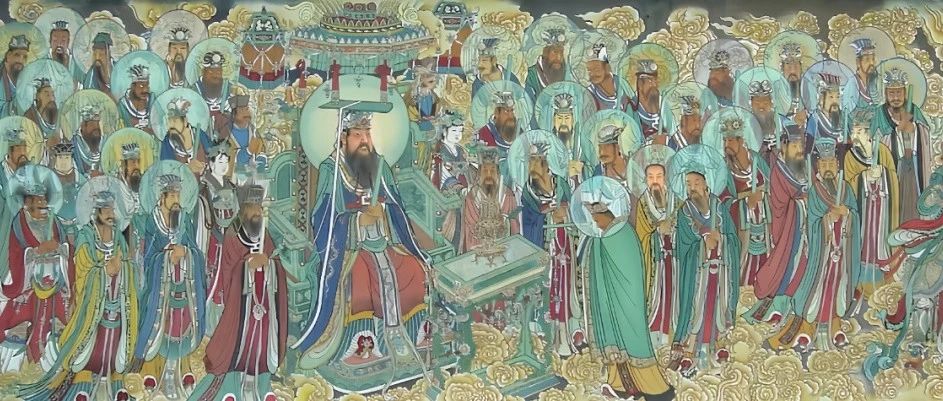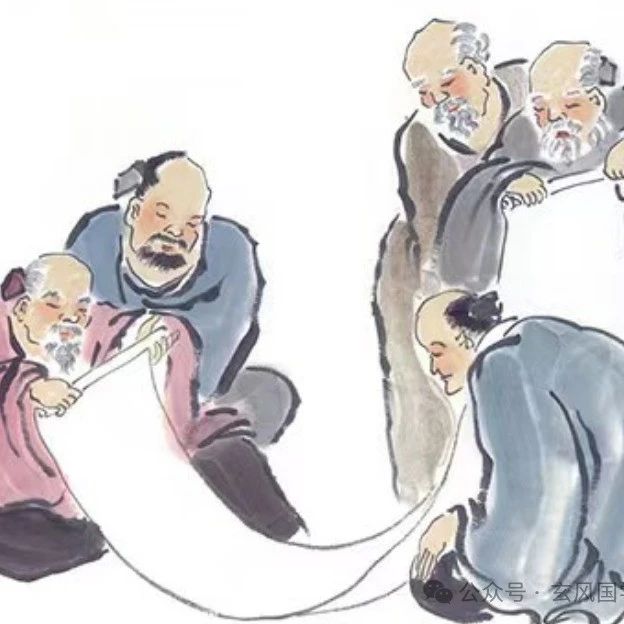

当然,外在的宗教剧并不能将那些不断展开的内在精神实相完全表现出来。宗教历史上的各种人物,众神和先知们——这些人吸收了某一时间跨度内的居民所抛出的集体内心投射。
这类宗教剧关注、引导并有望澄清内在实相中需要以物质来表现的方面。这些戏剧不仅出现在你们的实相系统中,有很多也被投射到别的实相系统去了。不过,宗教本身永远是内在实相的外在表象。只有基本的精神存在能为物质存在赋予意义。说白了,宗教应该囊括人类在探索意义和真理本质过程中的所有追求。灵性不可能是一些孤立的、专门的活动或特性。
外在的宗教剧,只有在忠实反映了内在的、私人的精神存在之本质时,才是重要而有价值的。只有当一个人觉得自己的宗教表达了这种内在体验时,他才会觉得它是合理的。不过,大多数宗教本身却只容许某些类别的经验,而否定其他的。他们把“生命的神圣性”原则仅应用于人类,而且往往只应用于其中非常有限的团体,由此限制了自己。
从来没有任何教会能表达所有个体的内心体验。从来没有任何教会发现自己能有效遏制其成员的内心体验——只是表面上好像做到了。被禁止的体验只会无意识地表达出来,积累的力量和活力会不断上升,从而形成一个相反的投射,进而形成另一个更新的外在宗教剧。
这些戏剧本身也确实表达了某些内在实相,并且从表面上提醒着那些不信任与内我直接接触的人。他们把象征当作实相。当发现事实并非如此时,他们觉得受骗了。基督使用“父与子”的说法,因为从你们的角度看,在那时候,这就是方便之法——他讲这个故事是为了解释“内我”与“具肉身的个体”之间的关系。没有任何新的宗教真会吓人一跳,因为戏剧早已在主观世界中上演了。
当然,以上我所说的对佛陀和基督一样适用:二者都接受了人们的内心投射,然后试着将之具体地表现出来。可是,他们大于那些投射的总和。这点你们也应当了解。伊斯兰教则远远不及。在这种宗教里,投射是以暴力为主的。他们确实是通过暴力流血来受洗、与神沟通的,相比之下,爱与亲情却变得次要了。
在这些持续的外在宗教剧里,希伯来人扮演了一个奇怪的角色。一神概念对他们来说并不新鲜。许多古老的宗教都信仰超越一切之上的唯一神明。不过,古老宗教里的一神却远比希伯来人追随的那个要宽容很多。许多部落相信遍及每个生物的“内在灵性”——这是非常正确的。他们也常常提到,好比说,树神或花仙子。但他们也接受涵盖一切的“全灵”,那些较次要的精灵只是它的一部分。而所有的灵都和谐相处。
希伯来人设想了一个督导神,一个愤怒、公正,有时甚至是残酷的神;于是,许多支派否认除了人之外的其他生物还拥有内在灵性的概念。早期信仰却更好地代表了内在实相,在其中,人们探索自然,让自然说话并透露它的秘密。
而希伯来人的神却代表了一种截然不同的投射。人们变得越来越觉知到“自我”,觉知到一种凌驾于自然之上的力量感,而后来的许多奇迹都以这样一种方式呈现,以至于“自然”被迫表现得异于常态。神变成了人对抗自然的同盟。
早期希伯来人的神变成了人类“解放了的自我”的象征。神的行为就像一个暴怒的孩子——如果孩子拥有那些力量——以霹雳雷火来对付他的敌人,摧毁他们。因此人类浮现而出的“自我”引发了情绪和心理上的问题和挑战,与大自然的分离感与日俱增。大自然变成了对付别人的工具。
在希伯来人的神出现之前,这些倾向就已经很明显了。在许多古老的、已被遗忘的部落宗教里,也有向神灵求助,让大自然对付敌人的事。不过,在此之前,人们觉得自己是大自然的一部分,而不是与之分离。大自然被人当作是自身存在的延伸,同时他又感觉自己是大自然的延伸。这样的话,一个人不可能把自己当作攻击自己的武器。
那时,人和鸟、树、蜘蛛的精灵说话谈心,人知道在背后的内在实相世界里,这些沟通的本质是得到充分理解的。那时,人不像你们现在这样怕死,因为大家都明白意识的循环往复。
一方面,人类渴望走出自己,走出他心理存在的架构,去尝试新的挑战,跳出一种意识模式而进入另一种。他想要研究自己的意识过程。从某种意义上讲,这意味着远离那为他带来平安的“内在自发性”。另一方面,对他来说这也提供了一种新的创造性。
就在此时,内在的神变成了外在的神。
The exterior religious dramas are of course imperfect representations of the ever-unfolding interior spiritual realities. The various personages, the gods and prophets within religious history — these absorb the mass inner projections thrown out by those inhabiting a given time span.
Such religious dramas focus, direct, and, hopefully, clarify aspects of inner reality that need to be physically represented. These do not only appear within your own system. Many are also projected into other systems of reality. Religion per se, however, is always the external facade of inner reality. The primary spiritual existence alone gives meaning to the physical one. In the most real terms, religion should include all of the pursuits of man in his search for the nature of meaning and truth. Spirituality cannot be some isolated, specialized activity or characteristic.
Exterior religious dramas are important and valuable only to the extent that they faithfully reflect the nature of inner, private spiritual existence. To the extent that a man feels that his religion expresses such inner experience, he will feel it valid. Most religions per se, however, set up as permissible certain groups of experiences while denying others. They limit themselves by applying the principles of the sacredness of life only to your own species, and often to highly limited groups within it.
At no time will any given church be able to express the inner experience of all individuals. At no time will any church find itself in a position in which it can effectively curtail the inner experience of its members —it will only seem to do so. The forbidden experiences will simply be unconsciously expressed, gather strength and vitality, and rise up to form a counter projection which will then form another, newer exterior religious drama.
The dramas themselves do express certain inner realities, and they serve as surface reminders to those who do not trust direct experience with the inner self. They will take the symbols as reality. When they discover that this is not so, they feel betrayed. Christ spoke in terms of the father and son because in your terms, at that time, this was the method used — the story he told to explain the relationship between the inner self and the physically— alive individual. No new religion really startles anyone, for the drama has already been played subjectively.
What I have said, of course, applies as much to Buddha as it does to Christ: Both accepted the inner projections and then tried to physically represent these. They were more, however, than the sum of those projections. This also should be understood. Mohammedanism fell far short. In this case the projections were of violence predominating. Love and kinship were secondary to what indeed amounted to baptism and communion through violence and blood.
In these continuous exterior religious dramas, the Hebrews played a strange role. Their idea of one god was not new to them. Many ancient religions held the belief of one god above all others. This god above all others was a far more lenient god, however, than the one the Hebrews followed. Many tribes believed, quite rightly, in the inner spirit that pervades each living thing. And they often referred to, say, the god in the tree, or the spirit in the flower. But they also accepted the reality of an overall spirit, of which these lesser spirits were but a part. All worked together harmoniously.
The Hebrews conceived of an overseer god, an angry and just and sometimes cruel god; and many sects denied, then, the idea that other living beings beside man possessed inner spirits. The earlier beliefs represented a far better representation of inner reality, in which man, observing nature, let nature speak and reveal its secrets.
The Hebrew god, however, represented a projection of a far different kind. Man was growing more and more aware of the ego, of a sense of power over nature, and many of the later miracles are presented in such a way that nature is forced to behave differently than in its usual mode. God becomes man’s ally against nature.
The early Hebrew god became a symbol of man’s unleashed ego. God behaved exactly as an enraged child would, had he those powers, sending thunder and lightning and file against his enemies, destroying them. Man’s emerging ego therefore brought forth emotional and psychological problems and challenges. The sense of separation from nature grew. Nature became a tool to use against others.
Sometime before the emergence of the Hebrew god these tendencies were apparent. In many ancient, now-forgotten tribal religions, recourse was also made to the gods to turn nature against the enemy. Before this time, however, man felt a part of nature, not separated from it. It was regarded as an extension of his being, as he felt an extension of its reality. One cannot use oneself as a weapon against oneself in those terms.
In those times men spoke and confided to the spirits of birds, trees, and spiders, knowing that in the interior reality beneath, the nature of these communications was known and understood. In those times, death was not feared as it is in your terms, now, for the cycle of consciousness was understood.
Man desired in one way to step out of himself, out of the framework in which he had his psychological existence, to try new challenges, to step out of a mode of consciousness into another. He wanted to study the process of his own consciousness. In one way this meant a giant separation from the inner spontaneity that had given him both peace and security. On the other hand, it offered a new- creativity, in his terms.
Now: At this point, the god inside became the god outside.
编译: / 美编:
《赛斯说?第204期》
------------品读赛斯☆开启智慧------------
欢迎加入赛斯说 ;赛斯花园 ( )下载赛斯书,交流学习
赛斯书预言,赛斯说,缘起,实相赛斯书合集
延伸资源下载(东西方哲学经典古籍汇总、杨公风水经典古籍、玄空风水古籍、八宅古籍、生基秘法、道藏、道家经典古籍、太乙神数、七政四余、大六壬、奇门遁甲、梅花易数、皇极经世、四柱八字、六爻、铁板神数、六壬史上最全版古今秘籍汇总|儒释道古本及民间术数大全超强版持续更新中......)

版权声明:本站部分内容由互联网用户自发贡献,文章观点仅代表作者本人。本站仅提供信息存储空间服务,不拥有所有权,不承担相关法律责任。如发现本站有涉嫌抄袭侵权/违法违规的内容, 请拨打网站电话或发送邮件至1330763388@qq.com 反馈举报,一经查实,本站将立刻删除。
文章标题:离家出走的神发布于2022-05-10 10:00:17